Stop Hard Water from Damaging Your Home
Professional water softener installation and service for homeowners in Marble Falls, Texas
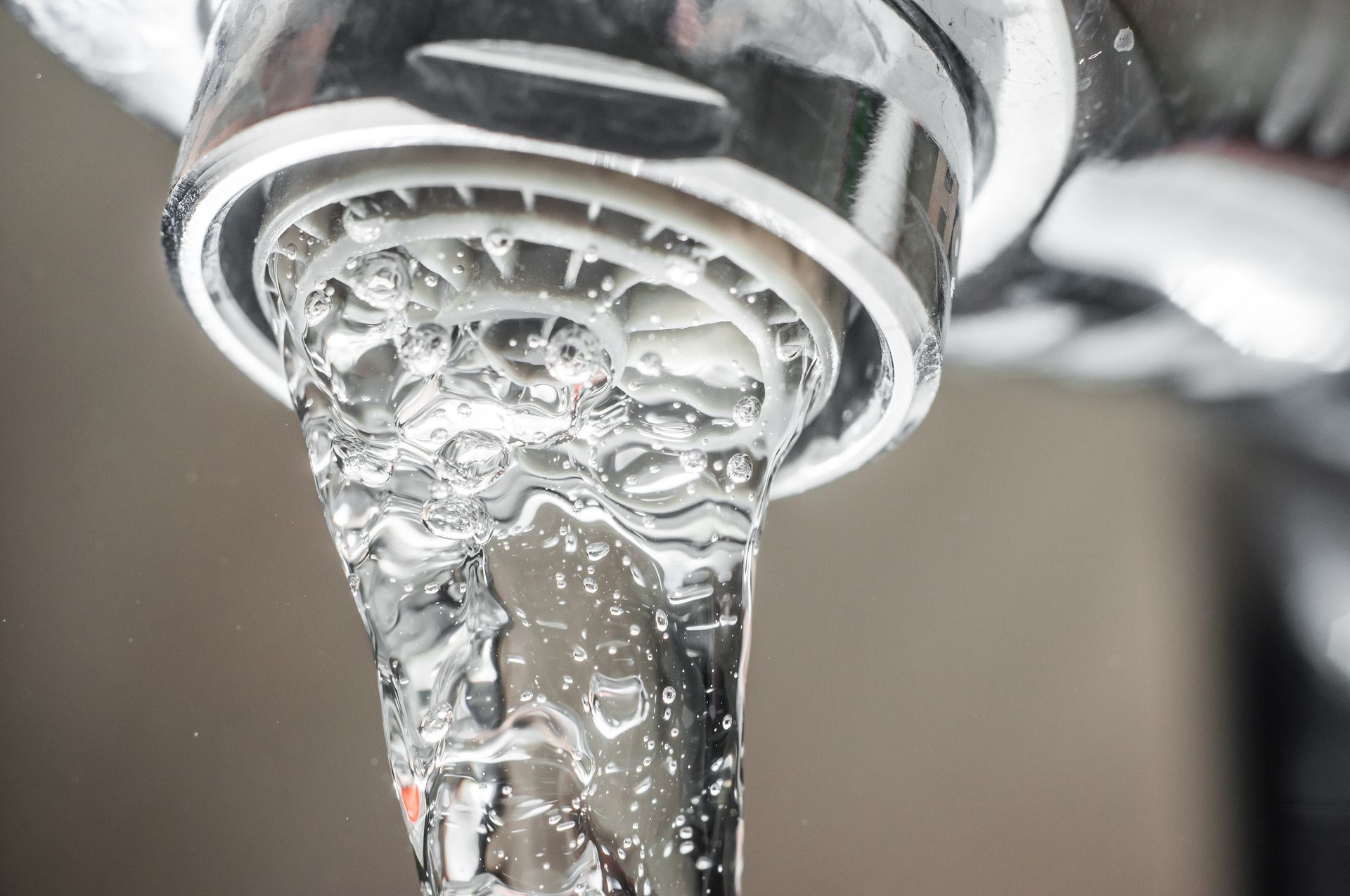
If you live in Marble Falls, you already know what hard water does to your fixtures, appliances, and skin. White mineral deposits build up around faucets, your water heater struggles to perform efficiently, and soap never quite rinses clean. These are the visible signs that dissolved calcium and magnesium are flowing through your plumbing, and a water softener addresses the problem at its source by replacing those minerals with sodium ions before water reaches your taps.
Marble Falls Plumbing LLC installs whole-home water softening systems that are sized correctly for your household usage and calibrated to match the hardness level in your water supply. The process involves connecting the softener to your main water line, setting up a brine tank for regeneration cycles, and programming the control valve based on your daily consumption and local water conditions. You will notice cleaner dishes, softer towels, and less buildup inside your pipes and appliances within days of operation.
If you want to protect your plumbing and appliances from ongoing mineral damage in Marble Falls, reach out to discuss which system fits your home and water usage patterns.
What happens during installation and initial calibration
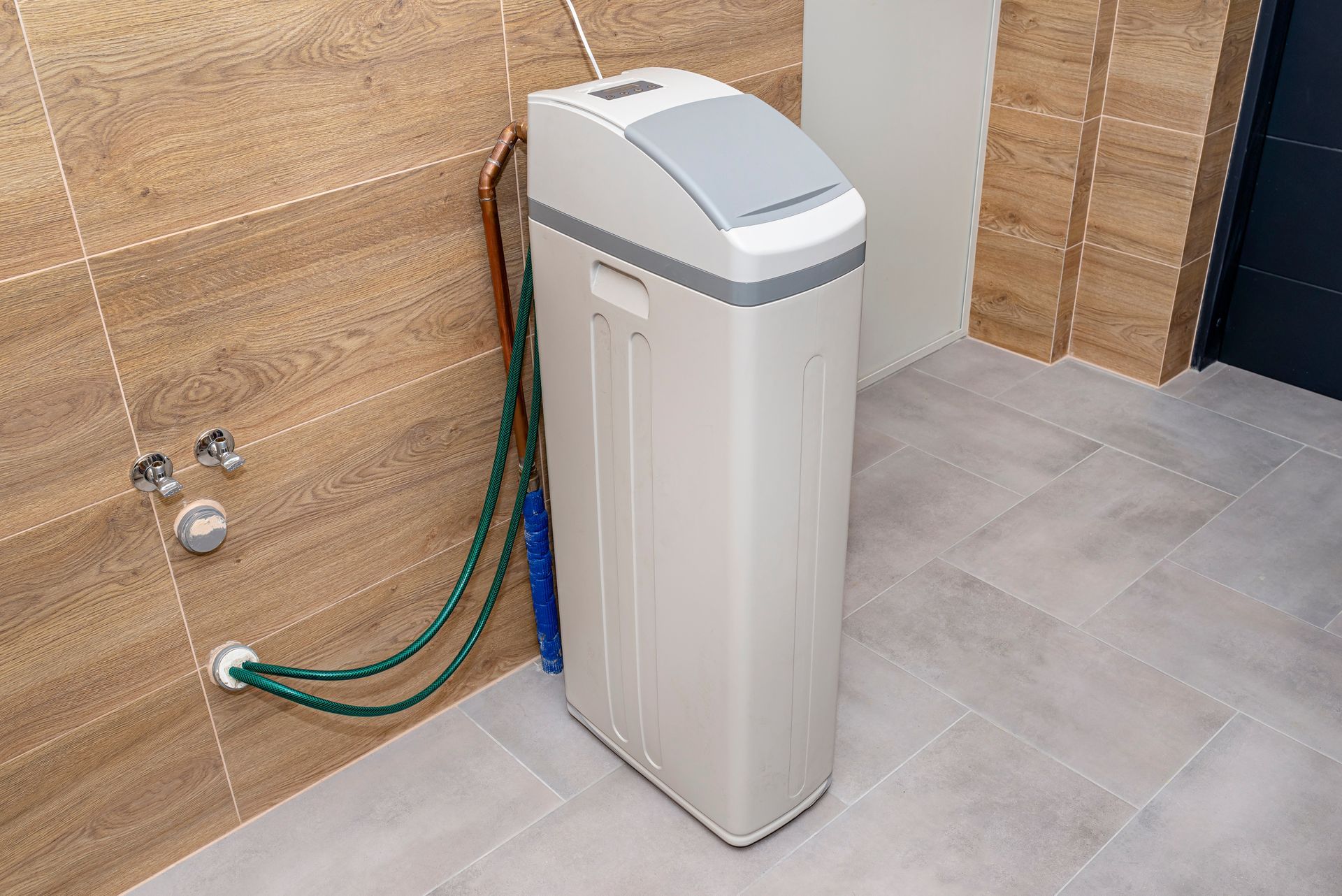
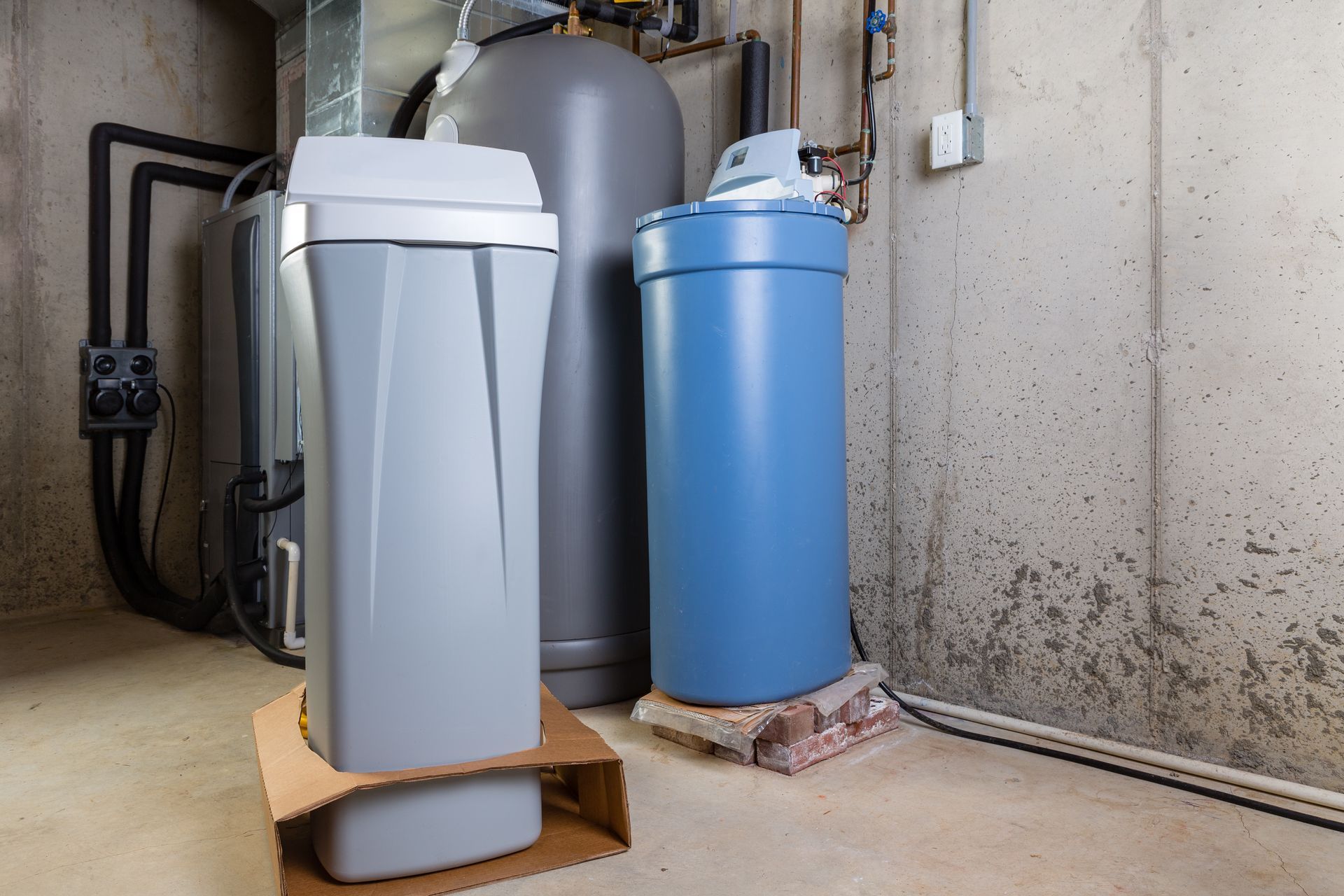
When you schedule a water softener installation in Marble Falls, the first step is determining where the system will connect to your main water line and where the brine tank will sit, usually in a garage, utility room, or basement. The softener unit itself includes a resin tank that traps hardness minerals and a control head that manages regeneration cycles based on water usage. Proper setup requires routing a drain line for backwash cycles and ensuring the unit has access to electricity if it uses an electronic control valve.
After installation, you will see soap lather more easily, feel a noticeable difference in how water interacts with your skin, and stop seeing white scale form on showerheads and faucet aerators. Your water heater will run more efficiently because mineral buildup no longer coats the heating elements, and your dishwasher and washing machine will require less detergent to achieve the same cleaning results.
The control valve must be programmed with your household size, average daily water use, and the specific hardness level measured in grains per gallon. Systems require periodic salt refills in the brine tank, and the resin bed should be inspected annually to confirm the regeneration cycle is functioning correctly. Water softeners do not filter contaminants or remove chlorine, so if you need additional treatment for taste or odor, that requires a separate filtration stage.
Questions homeowners ask before choosing a system
Homeowners in Marble Falls often want to know how a water softener will affect their daily routines, what maintenance it requires, and whether it makes sense for their household size and water conditions.
- How do I know if I need a water softener? You need a water softener if you see white scale on faucets, your water heater fails prematurely, or your skin feels dry and soap does not rinse off easily. A water test measuring hardness in grains per gallon confirms whether treatment is necessary.
- What size water softener fits my home? Sizing depends on your household water usage and hardness level. A family of four in Marble Falls with moderate hardness typically needs a unit rated between 32,000 and 48,000 grains, but exact sizing requires measuring daily consumption and testing your water supply.
- How often do I need to add salt to the brine tank? Most households refill the brine tank with salt every four to eight weeks depending on water usage and system capacity. You check the salt level visually and add more when it drops below the water line in the tank.
- What does the regeneration cycle do? The regeneration cycle flushes accumulated calcium and magnesium from the resin bed using a concentrated saltwater solution, then rinses the resin clean so it can continue removing hardness minerals. This process typically runs automatically during low-usage hours and takes about two hours to complete.
- Will a water softener affect my drinking water taste? Softened water contains sodium from the ion exchange process, which some people notice as a slight taste difference. If you prefer unsoftened drinking water, you can install a bypass line to your kitchen sink or use a reverse osmosis system for drinking and cooking.
Marble Falls Plumbing LLC handles everything from initial water testing to system installation and ongoing service, so your water softener operates correctly from day one. If your home shows signs of hard water damage or you want to extend the life of your appliances, contact us to evaluate your water and recommend the right system.