Clearer Water Starts in Your Kitchen
Advanced water purification systems installed by Marble Falls Plumbing LLC in Marble Falls, Texas.
You turn on your kitchen faucet in Marble Falls and the water looks fine, but you still reach for bottled water when cooking or filling a glass. That hesitation comes from knowing your municipal supply or well water carries dissolved minerals, chlorine byproducts, and microscopic contaminants that basic pitcher filters cannot remove. Water purification systems address what standard filtration leaves behind, targeting substances that affect both safety and clarity in ways you can see and taste.
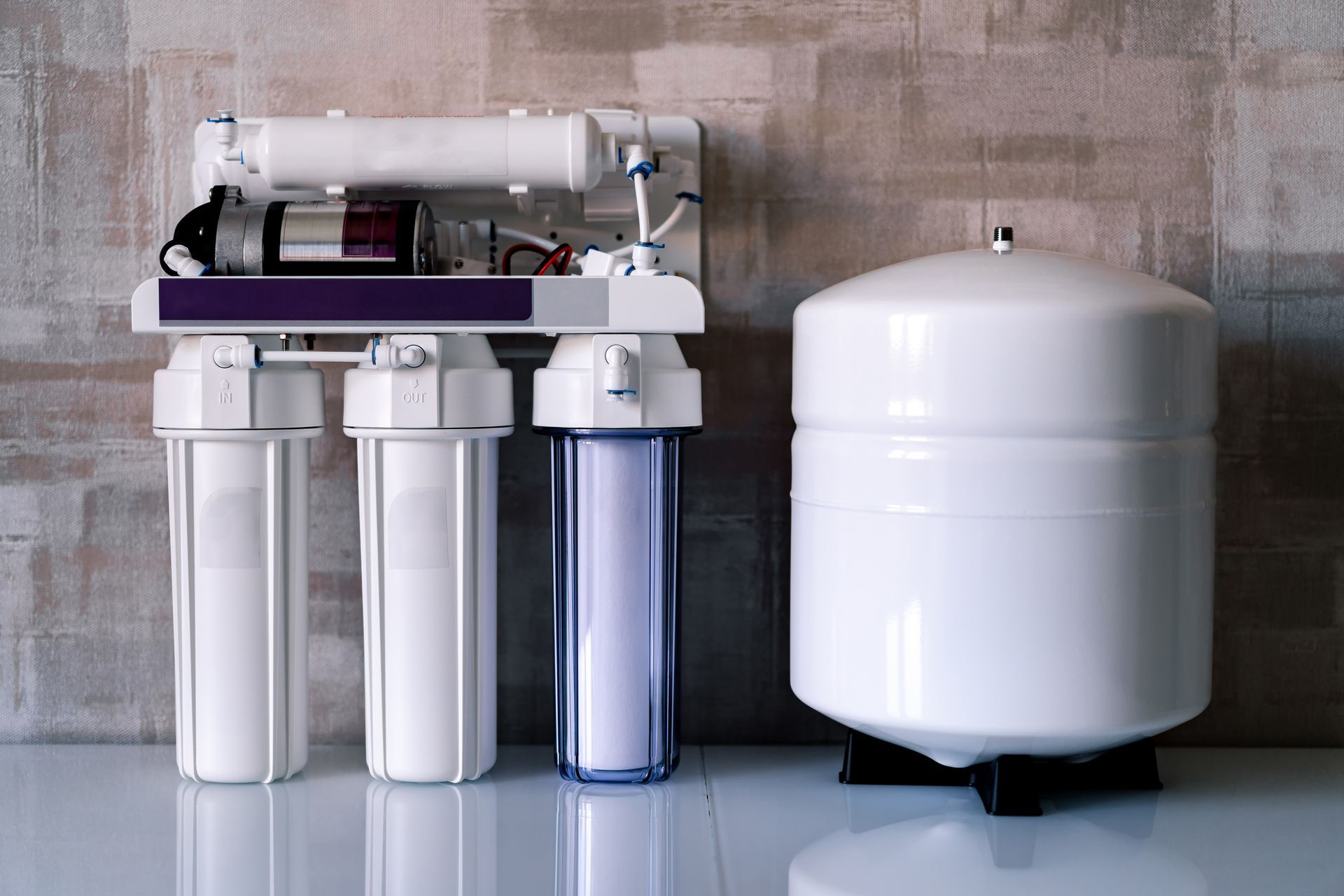
Marble Falls Plumbing LLC installs customized purification systems designed for kitchen water delivery, matching the equipment to your household size, water source, and specific contamination concerns. These systems use multi-stage processes including activated carbon, reverse osmosis membranes, and ultraviolet sterilization to remove sediment, heavy metals, volatile organic compounds, and microbial threats. You receive a system tailored to the water chemistry in Marble Falls, not a generic unit pulled from a shelf.
If you want water you can trust without buying plastic bottles every week, contact us to discuss purification options suited to your home.
What Happens During Installation and After
Your installation begins with a water quality test that identifies which contaminants are present in your Marble Falls water supply, guiding the selection of filtration media and membrane specifications. The purification unit mounts under your kitchen sink with dedicated supply lines and a separate faucet, keeping purified water isolated from your standard tap. Installation typically takes three to four hours depending on existing plumbing configuration and whether we need to drill through granite or other countertop materials for the dispensing faucet.
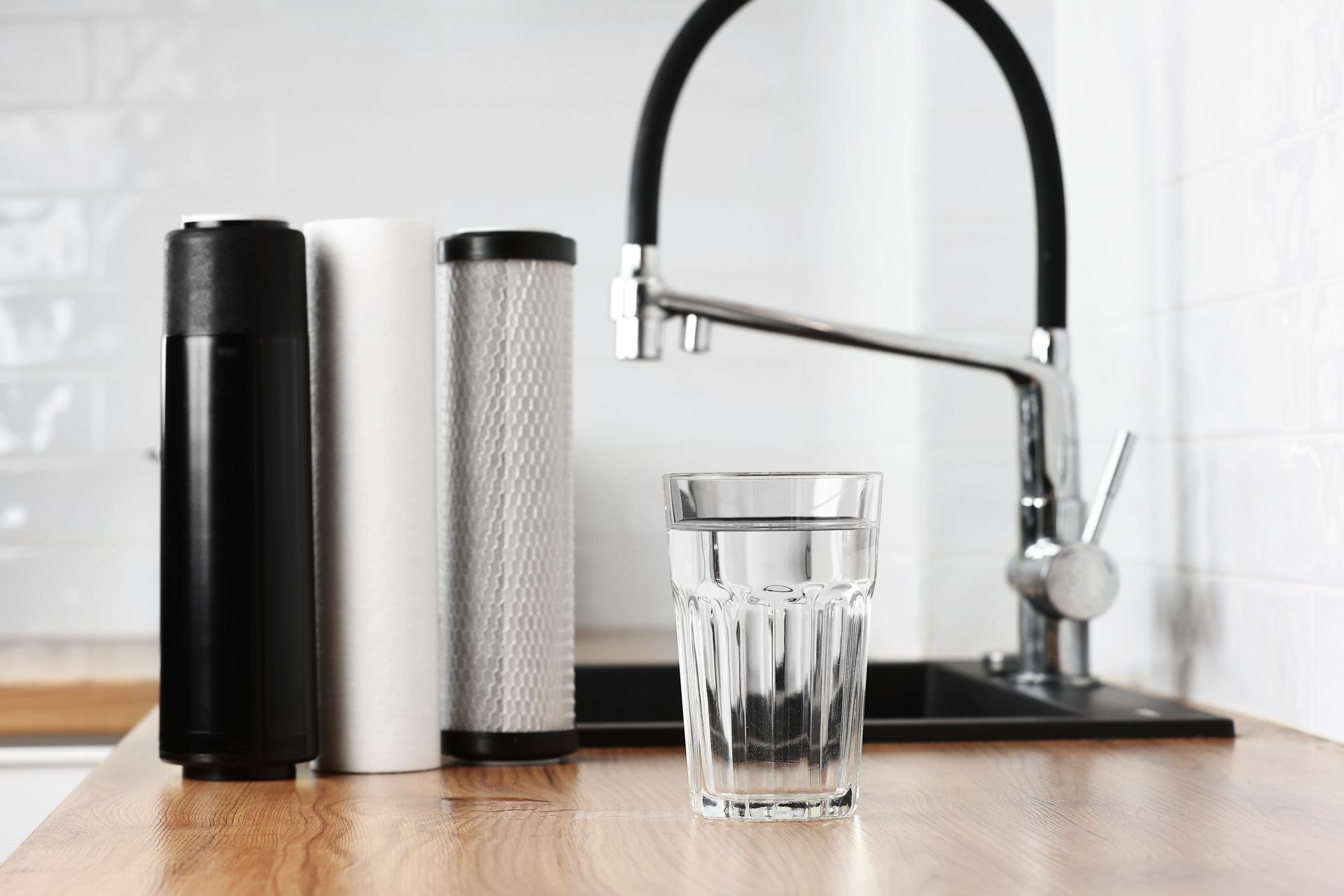
After the system is running, you will notice water that tastes neutral without chemical aftertaste, no cloudy appearance when poured into a clear glass, and no metallic or earthy odor when the tap runs cold. Ice cubes freeze clear instead of white, and tea or coffee brewed with purified water shows brighter color and cleaner flavor.
We provide replacement filter schedules based on your household usage and explain how to recognize when membrane pressure drops or carbon media saturates. The system does not soften water or address whole-house concerns like scale buildup in water heaters, but it gives you point-of-use purification where you prepare food and drink. This section naturally leads into questions about maintenance, costs, and how purification differs from other treatment methods.
Questions That Come Up Before You Commit
Homeowners in Marble Falls often ask about system lifespan, filter replacement frequency, and whether purification works with well water or just city supply. These five questions cover the practical concerns that come up during initial consultations.
- What contaminants does a purification system remove that my pitcher filter does not? Your purification system removes dissolved lead, arsenic, nitrates, pharmaceutical residues, and cysts like giardia that pass through granular carbon in pitcher filters. Reverse osmosis membranes block particles as small as 0.0001 microns, while UV stages kill bacteria and viruses that survive chemical filtration.
- How often do I need to replace filters and what does that cost? You replace pre-filters every six months and the reverse osmosis membrane every two to three years depending on water hardness and daily volume. Annual filter costs typically run between one hundred and one hundred fifty dollars, which is less than buying bottled water for a family of four.
- Why does purified water taste flat compared to tap water? Purification removes dissolved minerals that give water its characteristic taste, leaving it neutral. You are tasting the absence of calcium, magnesium, and trace elements, not a defect in the system.
- How much water does the system waste during purification? Reverse osmosis systems in Marble Falls typically use three to four gallons of rinse water for every gallon of purified water produced. That rinse water goes down the drain to carry away rejected contaminants, preventing membrane fouling.
- What happens if I move or want to upgrade the system later? You can uninstall the purification unit and reinstall it at your new home as long as the under-sink space and plumbing layout accommodate it. Upgrades to higher-capacity systems or additional filtration stages require new fittings but use the same dedicated faucet and drain connection.
Marble Falls Plumbing LLC sizes purification systems to match your daily water use and the contaminants identified in your initial test, so you get effective treatment without oversized equipment. Get in touch to schedule a water analysis and receive system recommendations based on what your household actually needs.