Restore Hot Water Without Replacing Everything
Water heater repair services in Marble Falls that diagnose and fix heating, leaking, and performance issues quickly.
When your water heater stops producing hot water or starts leaking onto the floor in your Marble Falls home, you need a diagnosis that identifies the actual problem rather than an automatic recommendation to replace the entire unit. Most heating failures stem from worn thermostats, burned-out elements, or failing pressure relief valves, and these components can often be repaired at a fraction of replacement cost. Marble Falls Plumbing LLC evaluates your system to determine whether repair or replacement makes the most sense for your situation.
Water heater repair addresses the root cause of performance loss by replacing failed parts and testing system function under normal demand. A thermostat that no longer maintains set temperature gets replaced with a calibrated unit. A heating element that cycles inconsistently gets tested for continuity and swapped if necessary. Leaking valves get tightened or replaced to stop water damage. This focused approach restores hot water delivery and extends the working life of your existing tank when the core structure remains sound.
If your water heater is showing signs of failure or underperformance in Marble Falls, contact us to schedule a diagnostic visit and review your repair options.
What Happens During a Water Heater Repair
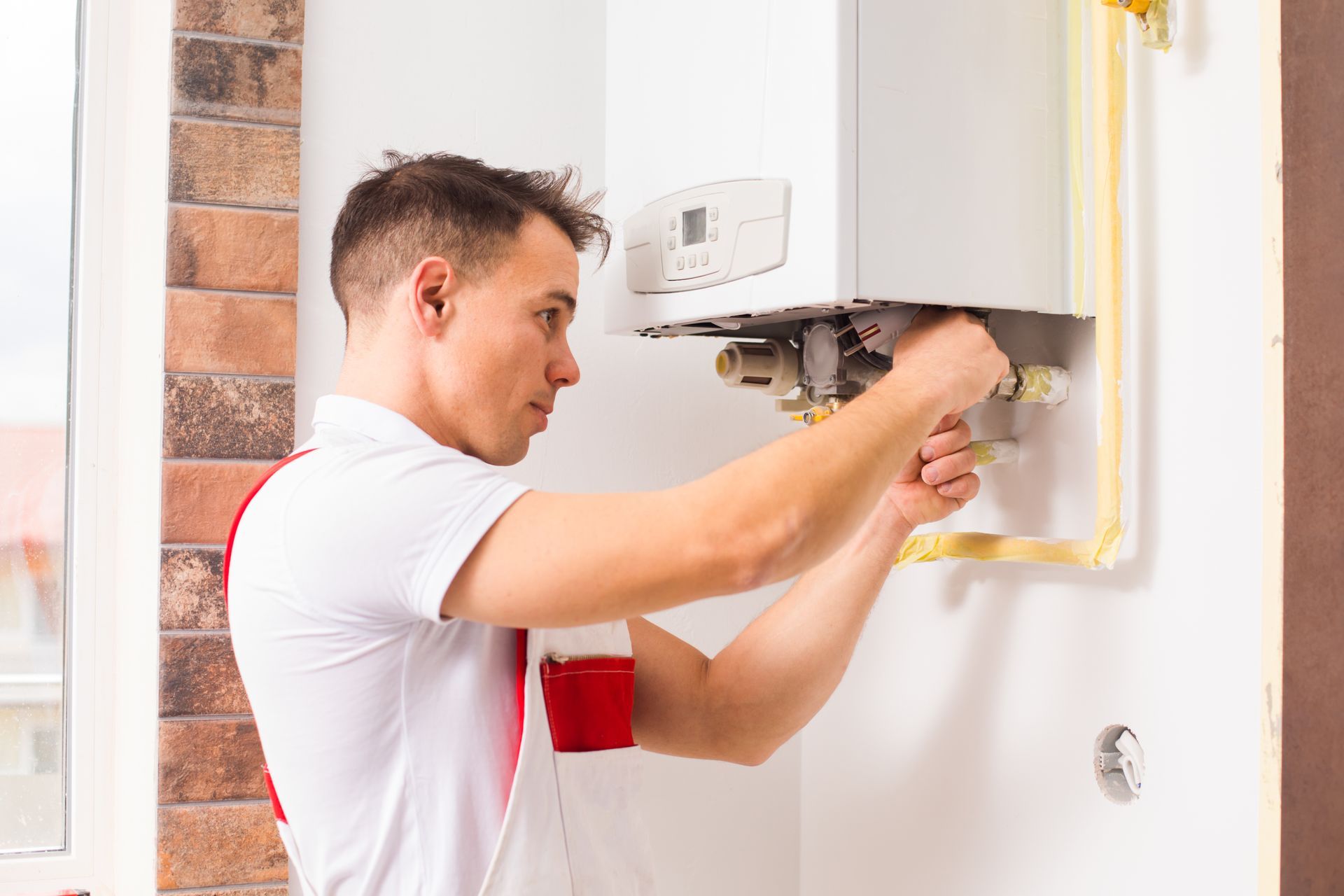
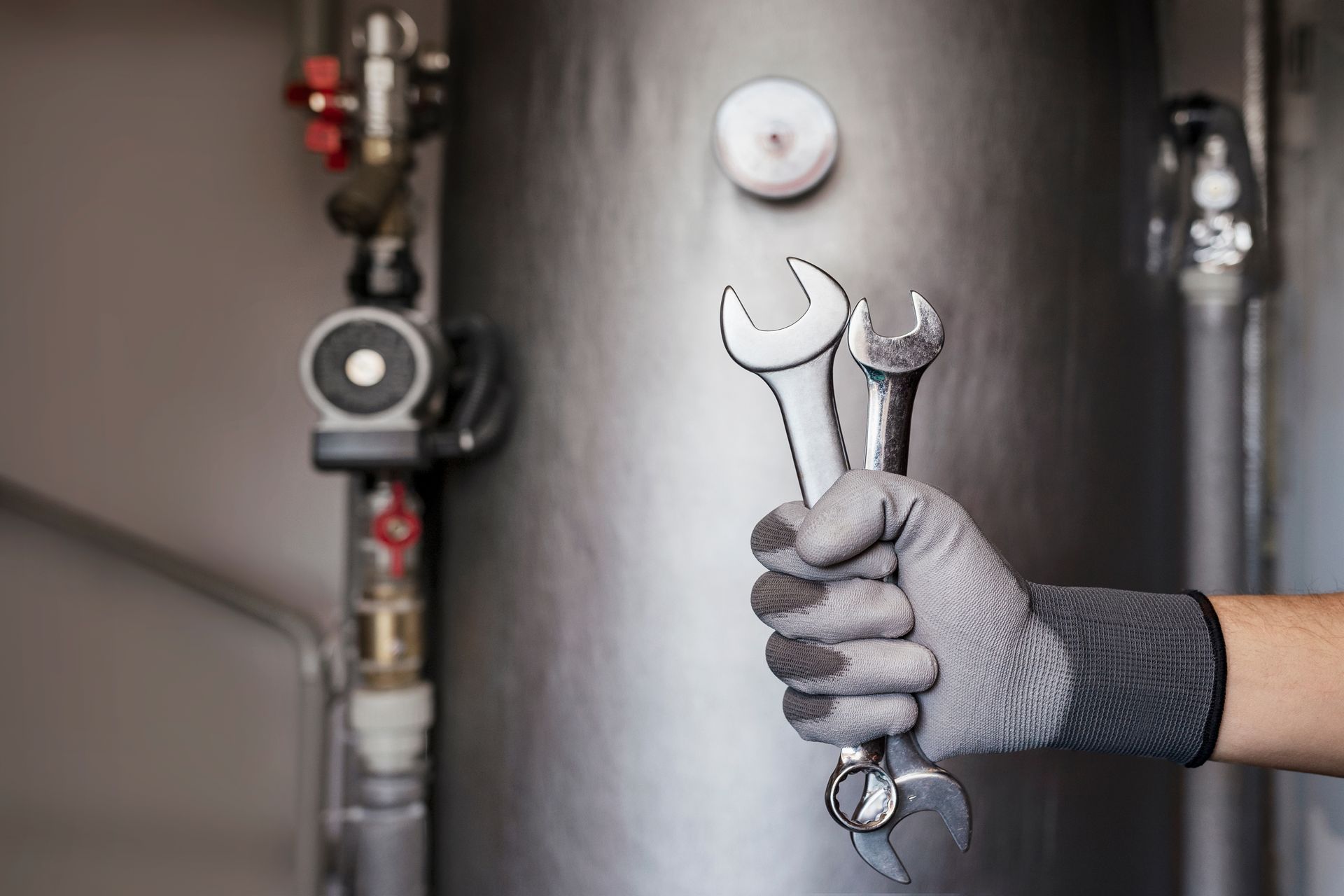
The repair begins with a full diagnostic evaluation of your water heater in Marble Falls, including voltage testing on electric models, inspection of gas burner assemblies, and examination of all valves and connections. If sediment buildup is affecting heating efficiency, the tank gets partially drained and flushed. Faulty thermostats are replaced and recalibrated to factory specifications, and heating elements are removed and tested for resistance before new ones are installed.
After the repair is complete, you will notice consistent water temperature during showers and dishwashing, no pooling water around the base of the unit, and faster recovery times when multiple taps are in use. Repairing a failing component before it causes secondary damage keeps your system running safely and efficiently.
All work follows manufacturer service guidelines and local plumbing codes. If the tank itself has corroded through or the unit is nearing the end of its expected lifespan, we will explain why replacement is the better option and provide a clear comparison of costs and outcomes. This allows you to make an informed decision based on the actual condition of your equipment rather than a generic recommendation.
Questions About Repairs Come Up Often
Homeowners frequently ask about repair timelines, part availability, and when replacement becomes necessary, so we have outlined the most common concerns below.
- How long does a typical water heater repair take? Most repairs take between one and two hours depending on the component being replaced and whether the tank needs to be drained. Thermostat and element replacements are usually completed in a single visit.
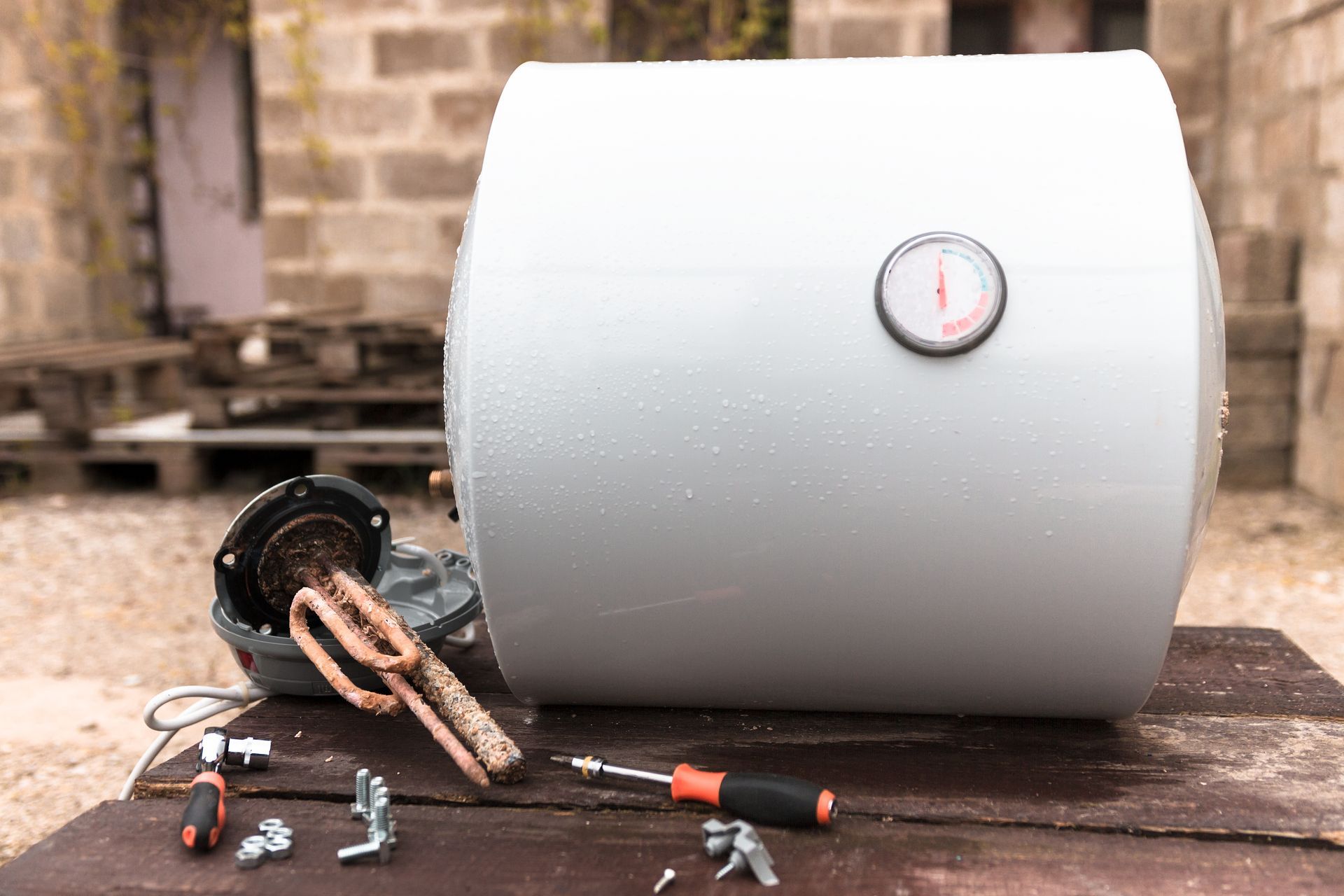
- What are the most common parts that fail on water heaters? Heating elements, thermostats, and temperature and pressure relief valves are the most frequently replaced components. These parts wear out over time due to constant thermal cycling and mineral exposure in the water supply.
- When should I replace the water heater instead of repairing it? Replacement makes more sense when the tank has visible rust or corrosion, when multiple components have failed simultaneously, or when the unit is more than twelve years old and showing declining performance. We evaluate the overall condition and provide a cost comparison so you can decide based on actual longevity and value.
- Why is my water heater leaking from the bottom? Leaks from the base usually come from a faulty drain valve or a corroded tank. If the valve is leaking, it can be tightened or replaced. If the tank itself has corroded through, the unit needs to be replaced because the tank cannot be repaired.
- How often should water heaters be inspected or serviced? Annual inspections help catch early signs of wear such as sediment buildup, minor leaks, or thermostat drift. Flushing the tank and testing the relief valve once a year can prevent larger failures and extend the working life of the system.
If your water heater is not performing as it should or you have noticed leaking or inconsistent temperature in your Marble Falls home, Marble Falls Plumbing LLC can diagnose the issue and explain your repair or replacement options clearly. Get in touch to schedule a service visit.